
Amazon FBA Beginners Complete Guide 2026: Mastering Packaging
Starting your Amazon FBA (Fulfillment by Amazon) journey requires understanding one critical element: proper packaging. In 2026, packaging isn't just about protection—it's about cost efficiency, customer satisfaction, and compliance with Amazon's strict requirements. This Amazon FBA beginners complete guide 2026 focuses specifically on packaging, the foundation of successful e-commerce operations.
Whether you're selling electronics, textiles, or household items, your packaging strategy directly impacts your profitability and customer experience. Let's break down everything you need to know.
Core Packaging Requirements for Amazon FBA
Understanding Amazon's Packaging Standards
Amazon requires all FBA shipments to meet specific packaging guidelines to ensure products reach customers safely and meet their damage-free delivery promise. Your packaging must:
- Protect products from damage during transit and storage
- Comply with Amazon's size and weight restrictions
- Include proper labeling and barcode placement
- Use materials that meet environmental standards
- Prevent shifting or movement inside boxes
Selecting the Right Box
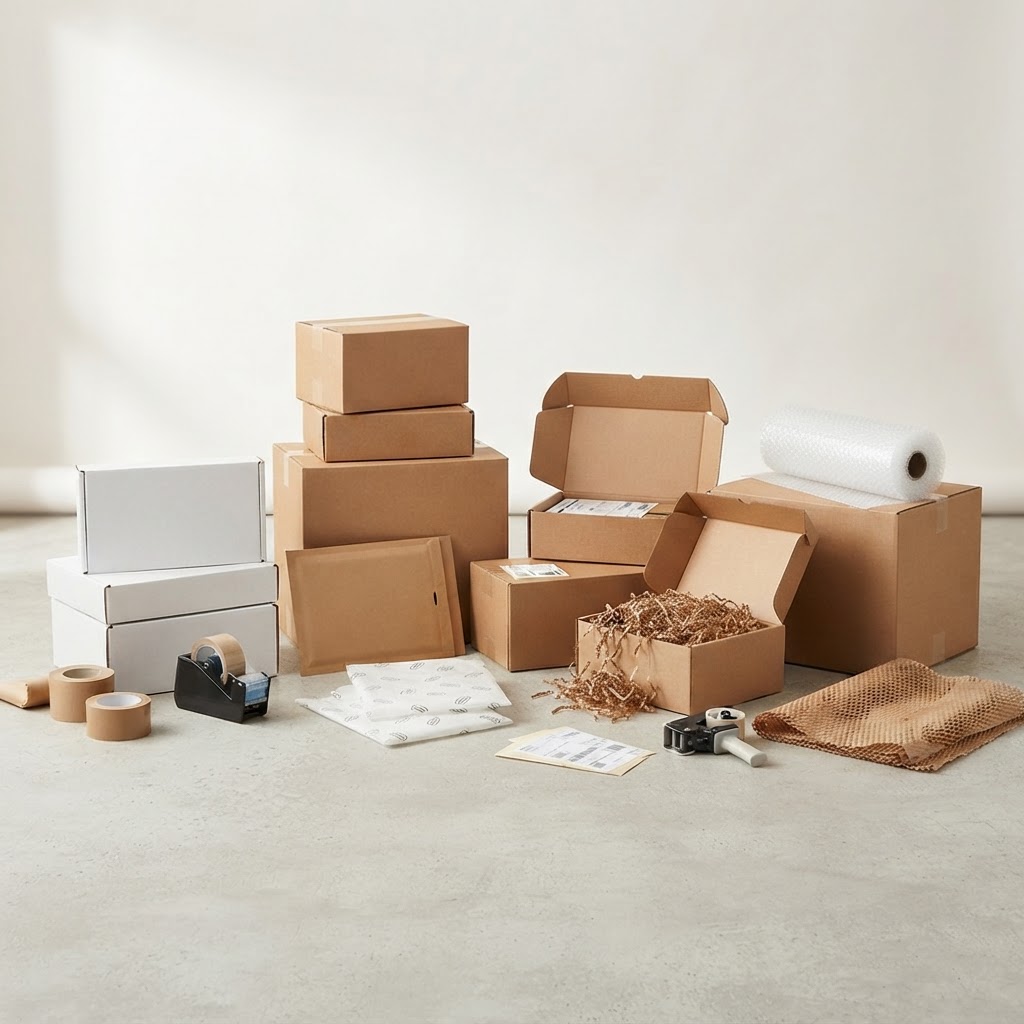
Box selection is fundamental. You need corrugated shipping boxes that balance protection with cost. A product like the 1 Pack 40x30x20 cm 5 Ply Corrugated Shipping Box offers excellent durability for mid-size items, providing adequate protection without excessive bulk that increases dimensional weight fees.
When choosing boxes, consider:
- 5-ply construction for heavier or fragile items
- Right-sized boxes to minimize void space (excess air costs money in dimensional weight fees)
- Crush resistance ratings appropriate for your product category
- Cost per unit when buying in bulk
Protective Materials and Internal Packing
Cushioning Options for Different Products
Inside your box, you need protective materials matched to your product type. For fragile electronics or delicate items, Bright Pink Bubble Wrap Roll (30 cm x 10 m) provides excellent cushioning that prevents movement and absorbs impact during handling and transport.
Common protective materials include:
- Bubble wrap: Ideal for fragile items, electronics, and glass products
- Foam inserts and corner protectors: Excellent for high-value items
- Kraft paper or crinkle paper: Cost-effective void fill for lightweight items
- Foam sheets: Good for protecting flat surfaces and preventing scratches
- Air pillows: Lightweight alternative for bulky but lightweight products
Sealed Bags and Secondary Packaging
For items sensitive to moisture, dust, or contamination, secondary packaging is essential. Ziploc Gallon Food Storage Freezer Bags Grip n Seal Technology for Easier Grip Open and Close 30 Count work effectively for protecting smaller items, electronics, or products requiring moisture protection. While designed for food, these bags are widely used in FBA operations for protecting items during warehouse storage and transit.
Secondary packaging serves multiple purposes:
- Protects against moisture and humidity in warehouses
- Prevents dust accumulation on products
- Adds an extra layer of cushioning
- Creates a professional unboxing experience
- Reduces damage claims significantly
Labeling and Compliance Requirements
FNSKU and Barcode Placement
Amazon assigns each SKU an FNSKU (Fulfillment Network SKU) code. You must print this barcode on each unit, and placement matters:
- Place FNSKU labels on the exterior of boxes, clearly visible
- Never place on top if stacking will occur
- Use high-quality thermal printer labels for clarity
- Ensure barcodes aren't damaged, folded, or obscured
- Some product categories require specific label placement
Weight Declaration and Dimensions
All packages must have accurate weight and dimension information in your FBA shipping plan. Inconsistencies trigger:
- Shipment holds for verification
- Additional inspection fees
- Delays in product availability
- Potential account warnings
Cost Optimization Strategies
Balancing Protection and Budget
Packaging costs directly reduce your profit margins. However, cutting corners on protection leads to damage claims, returns, and negative reviews—ultimately costing far more.
Optimization strategies include:
- Negotiate bulk pricing on boxes and materials
- Use free product recommendation tools to analyze which products justify premium packaging
- Calculate dimensional weight fees before selecting box sizes
- Test materials with sample shipments
- Monitor damage claim rates by packaging type
- Use recyclable and sustainably sourced materials where possible
Tracking and Improvement
Monitor your performance metrics including damage rates, return rates, and customer feedback related to packaging. If damage claims exceed 0.5%, your packaging needs improvement. If packaging costs exceed 8-10% of product value, explore optimization opportunities.
Final Recommendations
Proper packaging is non-negotiable for Amazon FBA success. Invest time upfront to establish packaging standards, test materials, and optimize for your specific products. The investment in quality boxes, protective materials, and proper labeling pays dividends through reduced damage claims, better customer reviews, and higher profitability.
Start by researching materials suited to your product category, implement consistent labeling procedures, and monitor results. As you scale, continuously refine your packaging based on damage data and customer feedback. To explore more products and packaging solutions, browse the full store for comprehensive options that meet your FBA needs. Your packaging quality directly reflects your brand reputation—make it count in 2026.
🛒 Top Picks Available on Amazon.ae
Affiliate disclosure: Nkul Nexus (FZE) may earn a small commission. No extra cost to you.
🔗 More from Nkul Nexus (FZE):