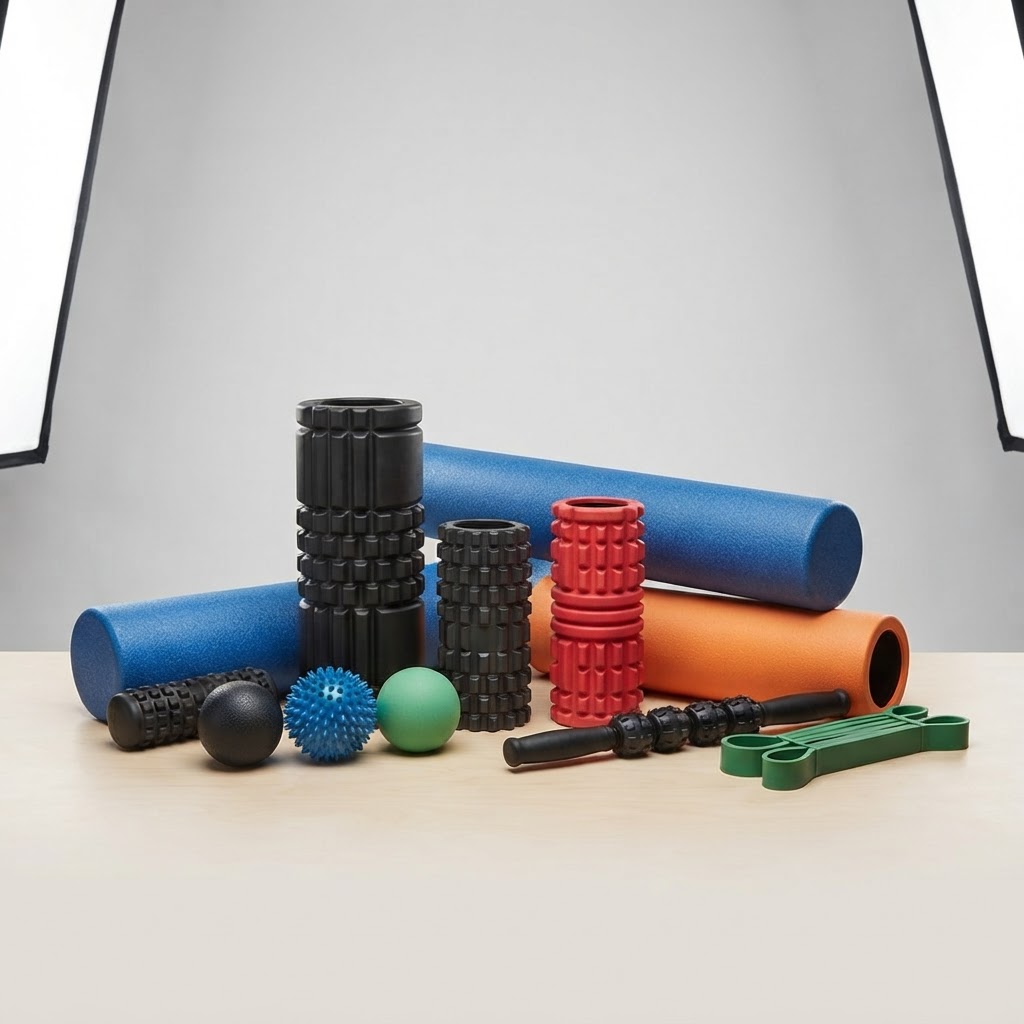
Best Foam Roller Muscle Recovery Guide 2026: Master the Technique
Foam rolling has become an essential component of modern fitness routines worldwide, offering athletes and fitness enthusiasts a practical method to accelerate muscle recovery, reduce soreness, and improve mobility. Whether you're training for endurance events, strength competitions, or simply maintaining general fitness, understanding how to use a foam roller effectively can significantly enhance your recovery process. This comprehensive guide walks you through everything you need to know about foam rolling in 2026.
Understanding Foam Rolling Basics
Foam rolling is a self-myofascial release technique that uses pressure and movement to break down adhesions in muscle tissue and fascia. When you exercise intensely—whether wearing functional gear like Women Wrap Yoga Shirts Long Sleeve Tie Front or CRZ YOGA Womens Pima Cotton Workout Tank Crop—your muscles develop micro-tears and tightness. Foam rolling stimulates blood flow to these areas, promoting nutrient delivery and waste removal, which accelerates the healing process.The benefits of regular foam rolling include:
- Reduced muscle soreness and tension
- Improved range of motion and flexibility
- Enhanced blood circulation to recovery areas
- Decreased inflammation markers in muscle tissue
- Better preparation for subsequent workouts
- Lower injury risk from tight, restricted muscles
Foam Rolling Techniques for Maximum Recovery
Proper technique is crucial for effective foam rolling. Beginners often make mistakes that reduce effectiveness or create unnecessary discomfort. Here's how to roll correctly:
Finding Your Target Areas: Identify where you experience the most tightness. Common problem zones include the calves, quads, hamstrings, glutes, and upper back. Use your body weight to position the roller under each muscle group. Rolling Speed and Pressure: Move slowly across the muscle, about one inch per second. If you find a particularly tight spot, pause for 20-30 seconds while breathing deeply. Avoid rolling directly over bones or joints. Start with lighter pressure and gradually increase intensity as your muscles adapt. Breathing During Recovery: Maintain steady, deep breathing throughout. Holding your breath creates tension, which counteracts recovery benefits. Exhale deeply when applying pressure to tight spots—this relaxes your nervous system and improves tissue responsiveness. Post-Workout Timing: Roll within 10-15 minutes after your workout for optimal results. Your muscles are still warm and responsive, making the technique more effective. Combine foam rolling with static stretching and complementary recovery tools like SOMAZ Resistance Bands (Unbreakable Rubber) for light mobility work.Advanced Recovery Strategies for 2026
Modern recovery protocols combine multiple techniques for synergistic benefits. Consider pairing foam rolling with Sweet Sweat Mini Loop Resistance Bands (Set of 5) for active recovery sessions that maintain mobility without adding training stress.
Foam Rolling Sequences: Structure your session methodically. Start with larger muscle groups (quads and hamstrings), then move to smaller areas (calves and shins). End with the upper back and shoulders. Each area should receive 60-90 seconds of rolling time. Recovery Wear Matters: Comfort during recovery is often overlooked. Wearing appropriate recovery clothing helps maintain body temperature and supports psychological relaxation. Quality fabrics that wick moisture and allow movement are essential during your post-workout recovery window. Consistency Over Intensity: You'll see better long-term results from daily 10-minute foam rolling sessions than occasional aggressive sessions. Build foam rolling into your daily routine, treating it as seriously as your actual workouts. Combining Methods: While foam rolling is powerful alone, combining it with other recovery modalities amplifies benefits. Stretching, light activity, proper nutrition, and sleep remain foundational. If you're involved in cycling or outdoor activities, protective gear like AMERTEER Kids Bike Helmet and Protective Gear Set ensures safety during recovery rides or active recovery sessions.Personalized Recovery Plans
Different athletes have different recovery needs. Endurance athletes typically need extensive lower-body work, while strength athletes often benefit from thorough upper-back and shoulder rolling. Consider using free product recommendation tools to identify which foam roller types best suit your training style.
Hand protection during certain recovery activities—such as when wearing GERZHIUBN Half Finger Bike Cycling Gloves during active recovery cycling—ensures you stay comfortable throughout your recovery protocol.
Conclusion and Recommendations
Foam rolling stands as one of 2026's most accessible and effective recovery tools. By understanding proper technique, maintaining consistency, and personalizing your approach based on your training demands, you can dramatically accelerate recovery, reduce soreness, and improve your next workout performance.
Start with 5-10 minutes daily on your primary problem areas. As you develop better body awareness, expand your rolling practice to include all major muscle groups. The investment in recovery directly correlates with training performance—athletes who prioritize foam rolling consistently outperform those who neglect it.
When you're ready to deepen your recovery practice, explore browse the full store to discover comprehensive foam rolling equipment and complementary recovery tools suited to your specific needs and training goals.
🛒 Top Picks Available on Amazon.ae
Affiliate disclosure: Nkul Nexus (FZE) may earn a small commission. No extra cost to you.
🔗 More from Nkul Nexus (FZE):