
Best Food Storage Containers for Meal Prep 2026: Your Complete Guide
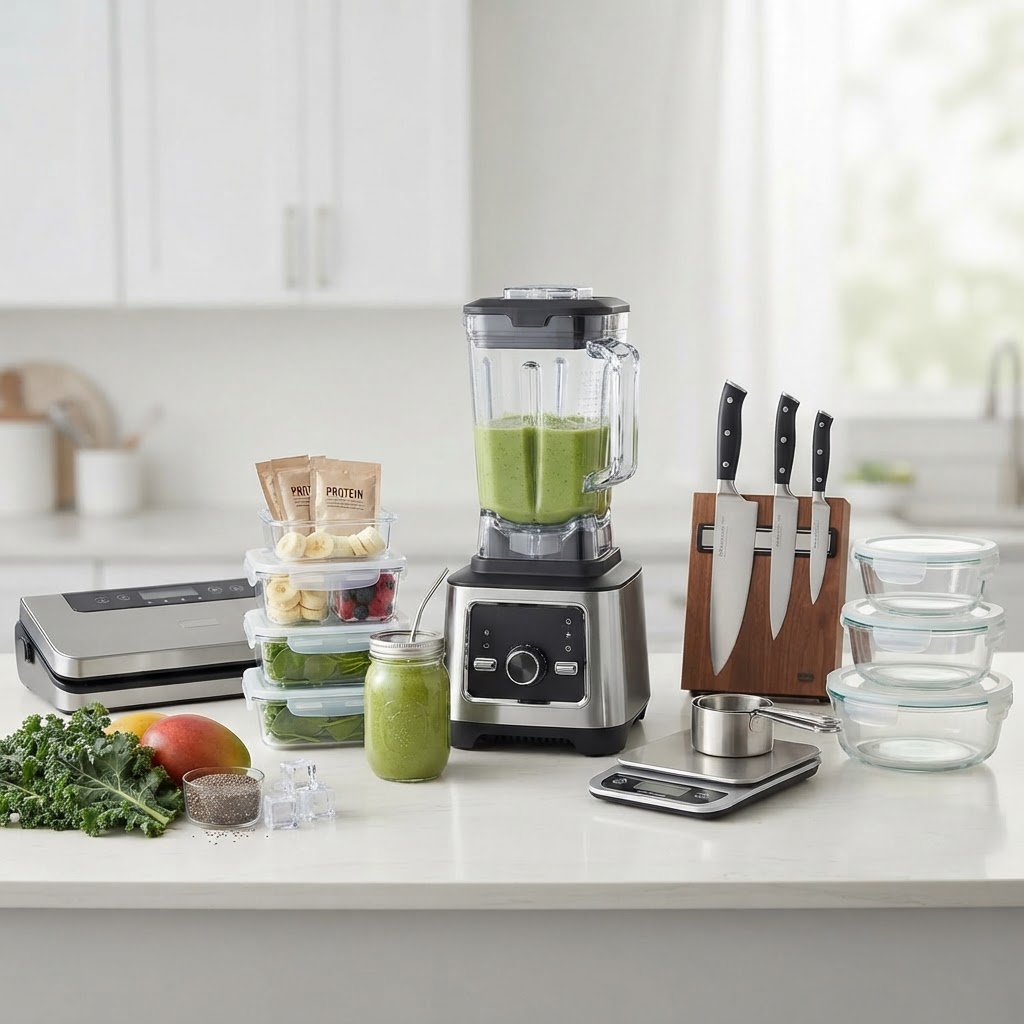
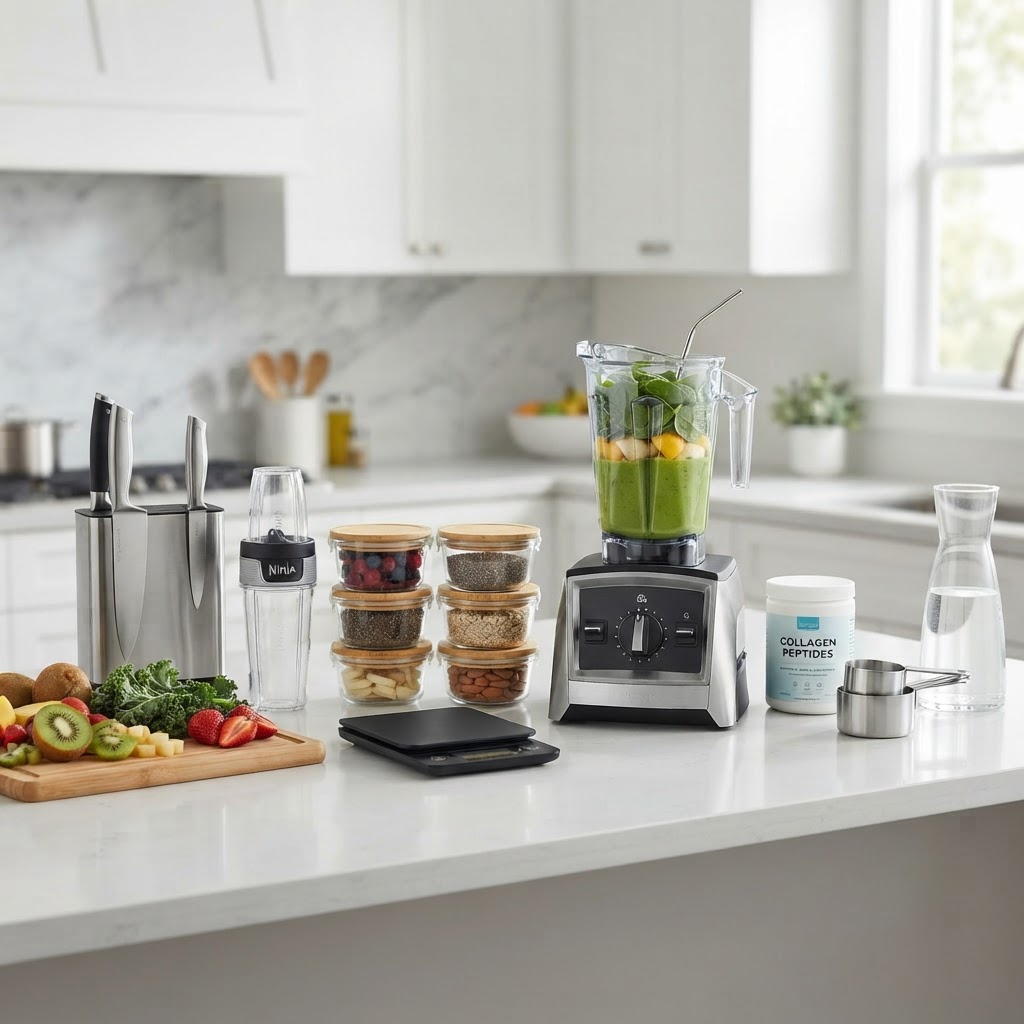
Meal prepping has become essential for busy professionals, fitness enthusiasts, and families worldwide. The right food storage containers can transform your weekly meal preparation from chaotic to organized, ensuring your meals stay fresh throughout the week. In 2026, the market offers incredible options that balance durability, sustainability, and practicality. This guide explores everything you need to know about selecting the best food storage containers for your meal prep routine.
Understanding Your Storage Needs
Before investing in containers, assess your specific requirements. Consider how many meals you prepare weekly, the types of foods you store, and your available refrigerator space. Different foods demand different storage solutions—delicate salads need shallow containers, while stews require deeper options with secure seals.
The best food storage containers meal prep solutions in 2026 prioritize airtight sealing technology, which keeps oxygen out and maintains food freshness for extended periods. Look for containers with silicone gaskets or snap-lock lids that create genuine vacuum seals. Glass containers excel for microwave reheating and long-term storage, while BPA-free plastic options offer lightweight portability for lunch boxes and commutes.
When organizing your meal prep station, consider how you'll arrange multiple containers. If you're setting up a dedicated kitchen prep area, you might want to keep your workspace tidy—similar to how you'd organize electronics with solutions like the Belkin 6 Way Surge Protection Strip, which helps manage kitchen appliance power needs efficiently.
Material Options: Glass vs. Plastic
Glass containers have dominated the meal prep market for good reasons. They're chemical-free, don't absorb food odors or stains, and transition seamlessly from refrigerator to microwave to dishwasher. Premium glass options now feature tempered glass construction for enhanced durability. However, they're heavier and more fragile—important considerations for commuting professionals. BPA-free plastic containers offer lightweight convenience and won't shatter if dropped. Modern polypropylene and Tritan formulations provide clarity comparable to glass while maintaining flexibility. They're ideal for on-the-go meals, lunch boxes, and families with children. However, plastic can eventually absorb oils and develop clouding with extended use. Silicone containers represent an emerging category in 2026. These collapsible options save tremendous freezer and cabinet space, making them perfect for minimalist kitchens. They're durable, microwave-safe, and surprisingly versatile. Consider combining materials—glass for home storage, plastic for portability, silicone for space-saving efficiency.Seal Quality and Longevity
A container's seal determines how long your meals maintain quality and freshness. The best options feature:
- Multi-layered silicone gaskets that create airtight seals
- Locking mechanisms that ensure consistent closure
- Gaskets removable for thorough cleaning
- Designs that prevent vacuum seal failure over time
Size and Compartmentalization Features
Effective meal prep requires diverse container sizes. A comprehensive collection includes:
- Small containers (8-16 oz) for sauces, dressings, nuts, and snacks
- Medium containers (24-32 oz) for individual meals
- Large containers (48-64 oz) for batch-cooked bases and sides
- Divided compartment trays for keeping proteins separate from starches and vegetables
Practical Tips for Meal Prep Success
Once you've selected your containers, implement these proven strategies:
Cool foods completely before sealing. Hot foods create internal condensation that promotes bacterial growth. Allow meals to reach room temperature, then refrigerate in open containers for 1-2 hours before sealing. Label everything with contents and preparation dates. Use waterproof markers or adhesive labels—this simple habit prevents food waste and ensures you consume meals within safe timeframes. Stack strategically based on meal consumption order. Place meals you'll eat first toward the front of your refrigerator, with backup options positioned behind. Portion appropriately. Overfilled containers don't seal properly and waste space. Leave roughly half-inch headspace in sealed containers to allow for expansion. Rotate regularly. Inspect containers weekly for seal degradation or discoloration. Quality containers typically last 3-5 years with proper care.When setting up a complete meal prep kitchen, you might also consider complementary tools—for instance, a 25pcs Cutlery Set with Case – Fork, Spoon, Chopsticks & Skewers – Outdoor, Camping & Office – Blue provides portable utensils for enjoying your meal-prepped meals anywhere.
Sustainability Considerations
Eco-conscious consumers should prioritize reusable containers over disposable alternatives. Glass and durable plastic containers eliminate single-use packaging waste over their lifespan. Many manufacturers now use recycled content in container production and offer take-back programs for end-of-life recycling.
Seek containers manufactured by companies committed to sustainability certifications. Check product labeling for recycled content percentages and investigate whether manufacturers offset production carbon emissions. This aligns your meal prep routine with environmental values.
Making Your Final Selection
The best approach combines multiple container types. Use free product recommendation tools to compare specific brands and models based on your priorities. Consider consulting live market signals for current pricing trends and product availability across major retailers.
Start with a starter set from a reputable manufacturer—typically 5-8 containers in varied sizes—then expand based on your actual usage patterns. This prevents over-investing in containers that don't match your meal prep workflow.
When you're ready to build your complete meal prep ecosystem, browse the full store for comprehensive kitchen organization solutions that complement your container selection.
Final Recommendation
Investing in quality food storage containers transforms meal preparation from a necessary chore into an efficient, sustainable practice. In 2026, the best options combine durable materials, reliable seals, practical sizing, and eco-friendly manufacturing. Whether you choose glass, plastic, silicone, or a combination approach, prioritize seal quality and container durability over price. Your weekly meal prep routine will reward this investment with fresher food, reduced waste, and simplified daily nutrition management. Start your meal prep journey today with containers designed to enhance your health and simplify your lifestyle.
🛒 Top Picks Available on Amazon.ae
Affiliate disclosure: Nkul Nexus (FZE) may earn a small commission. No extra cost to you.
🔗 More from Nkul Nexus (FZE):